
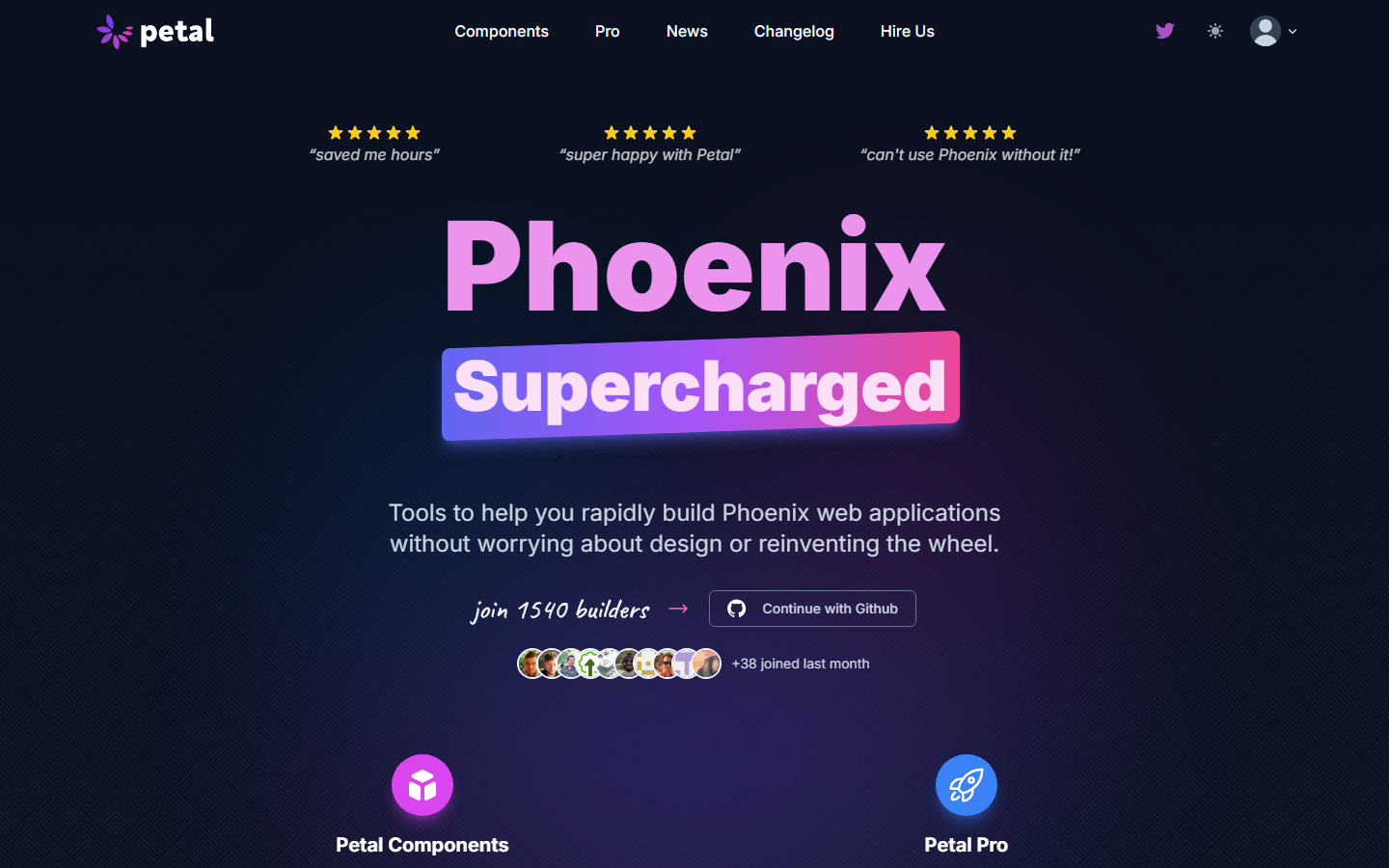
Petal Review (2026)
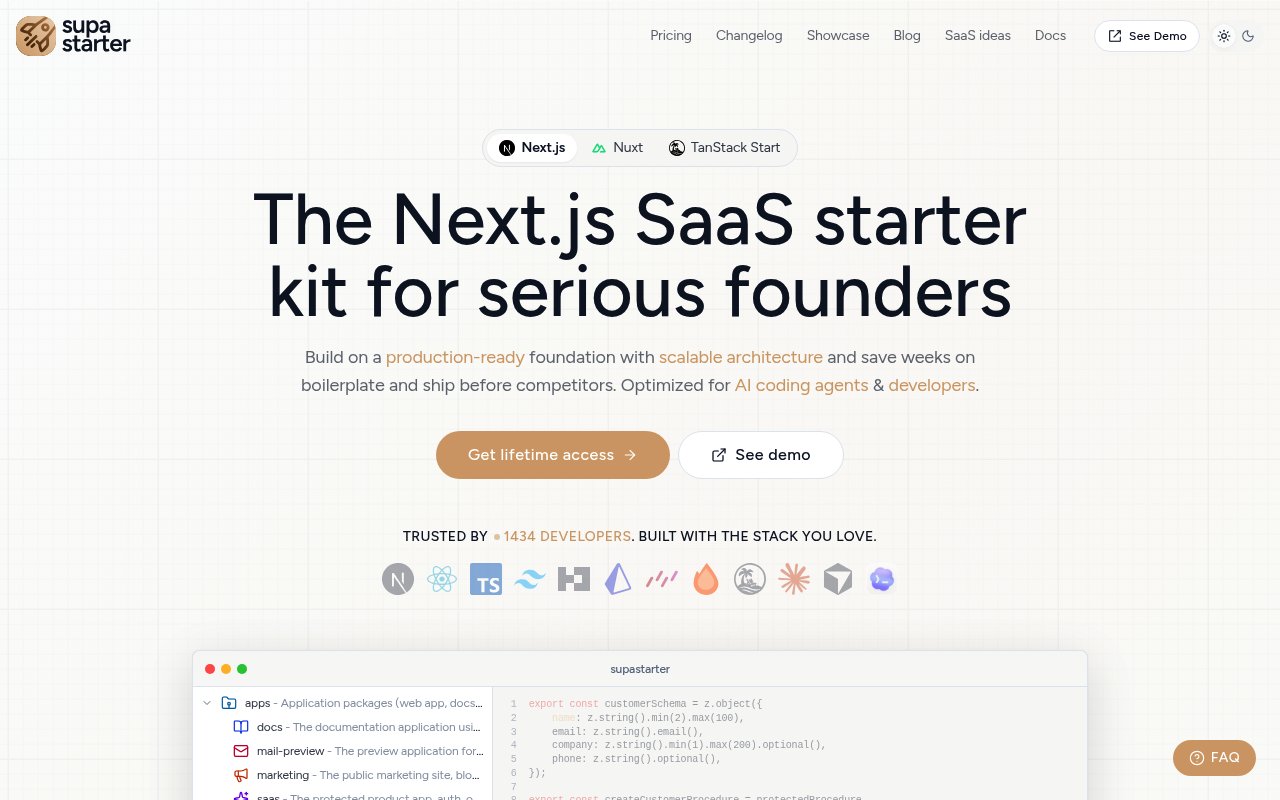
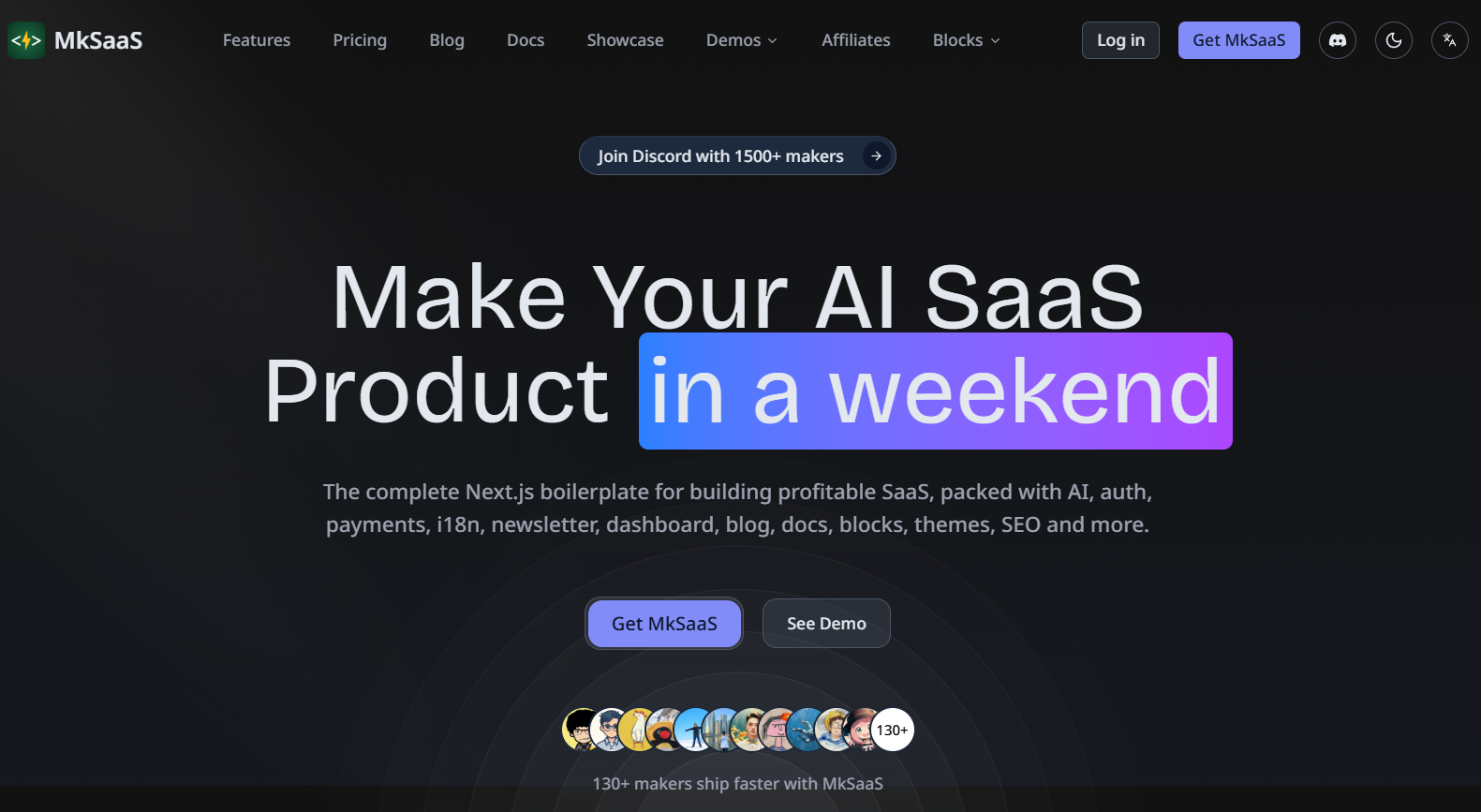
We keep structured data on 67 starter kits. Below is how Petal measures up on features, pricing, and stack, including the cases where a different kit would serve you better.
Verdict
At 4 integrations against a catalog average of 7, Petal competes on focus rather than breadth. With a free tier there is no purchase decision to agonise over: clone it, read the code, and judge for yourself.
What Is Petal?
Supercharge your Phoenix development with Petal Pro. This feature-rich boilerplate and 100+ HEEX components provide pre-built UI elements and essential features, saving you countless hours on boilerplate code and letting you focus on building amazing applications.
Petal Tech Stack
Petal uses Tailwind and AlpineJS. Tailwind is one of the most common foundations in our catalog (22 kits use it), which means plenty of alternatives exist if Petal doesn't fit, but also that the ecosystem around this stack is well documented.
What's Included in Petal
Petal lists 4 integrations: Auth, Components, Email and Payments. For context, the catalog average is 7 integrations per kit, so Petal is on the leaner side. Leaner is not automatically worse; fewer integrations also means fewer dependencies to maintain or rip out.
Petal Pricing
Petal has a free tier, with paid options up to $299. The median paid kit in our catalog costs $129, so a free starting point is a real outlier here. The practical implication: you can evaluate the actual codebase before any money changes hands, which is not true for most kits in this category.
Who Should Use Petal
The honest answer depends on what you are building. Petal makes sense if you are starting a new project on Tailwind and the included integrations match your requirements list. Since authentication and payments are both wired up, Petal covers the two integrations that consume the most setup time in a typical SaaS build. Skip it if you want full control over every dependency choice; a boilerplate is by definition a set of decisions someone else made for you.
How Petal Compares
Pros
- ✓ 4 pre-built integrations including Auth and Components
- ✓ Auth and payments both wired up, the two slowest pieces to build from scratch
- ✓ Free tier, so the codebase can be evaluated before paying
- ✓ Tailwind stack with a large ecosystem of comparable kits and documentation
Cons
- ✗ Locked into the stack and architecture decisions the maker chose
Ready to try Petal?
Free tier available
Frequently Asked Questions
Is Petal worth the price?
Petal has a free tier, so the question answers itself: clone it and read the code. Most comparable kits cost around $129, so even if you outgrow the free tier you started ahead.
What tech stack does Petal use?
Tailwind, AlpineJS. 22 kits in our catalog use Tailwind, so if the rest of this kit doesn't fit, the stack itself won't limit your alternatives.
What's included in Petal?
4 listed integrations: Auth, Components, Email, Payments. The catalog average is 7 per kit.
Who is Petal best suited for?
Developers who would rather inherit working integrations like Auth, Components and Email than configure them. If you enjoy picking every dependency yourself, you are not the audience, and that is fine.
Are there good alternatives to Petal?
Yes. We maintain a ranked list of Petal alternatives based on shared stack and feature overlap. 21 other kits in the catalog use Tailwind. See the alternatives page linked below.