You Have the Idea. Can You Just Build It?
You've got an app idea that's been living in your head for months. Maybe years. You've seen people on Twitter shipping apps over a weekend with nothing but Claude and Cursor, and you're wondering: is that real? Can I actually do this without a developer? (If the term is new to you, here's what vibe coding means.)
Let's be straight with you.
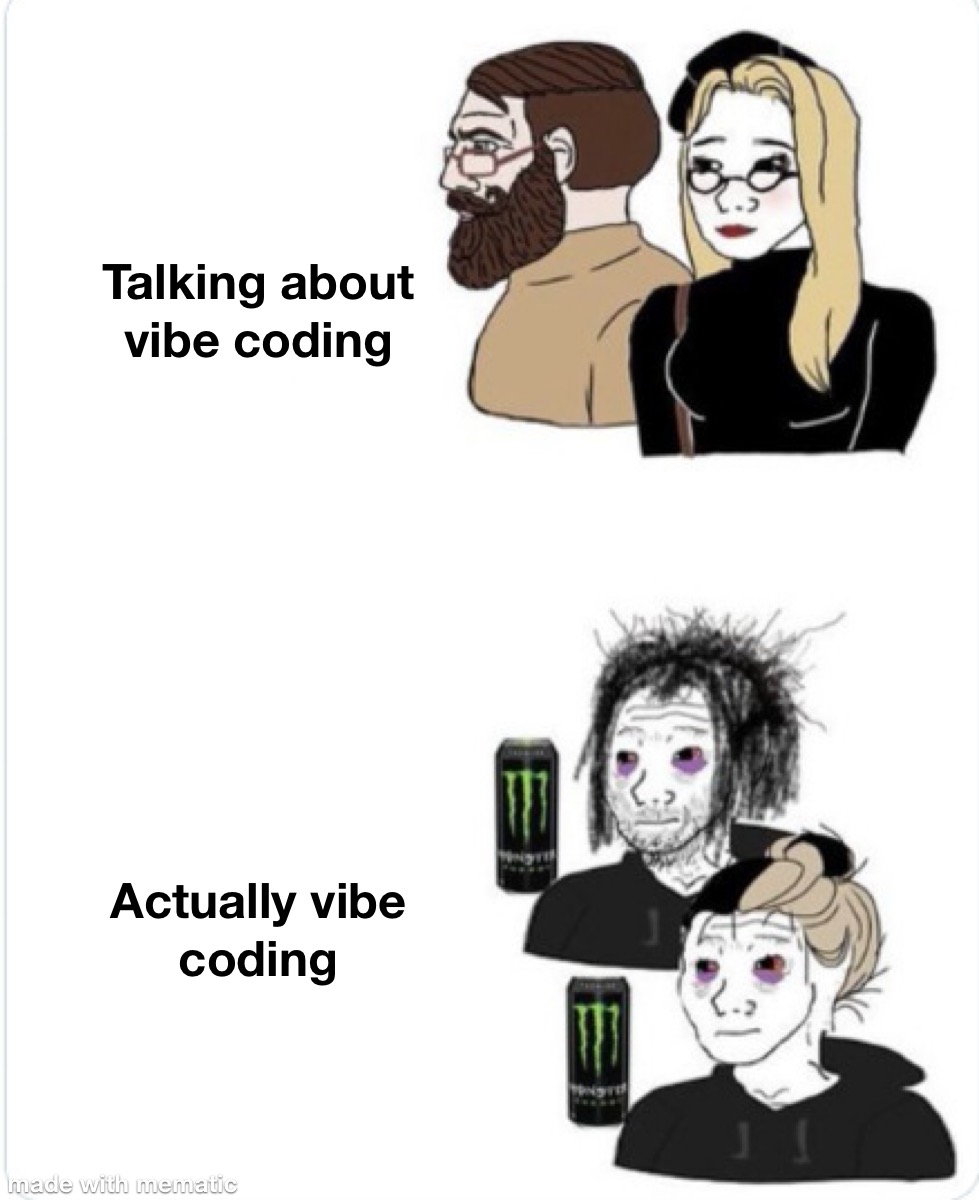
The Honest Answer: Yes, But Let's Talk About What That Actually Means
People are genuinely shipping mobile apps with AI assistance right now. Solo founders, designers who never wrote a line of code, non-technical people with a good idea and a free weekend. It's not a gimmick.
With tools like Expo and React Native, you can build something that runs on both iOS and Android. You describe what you want, the AI writes it, you test it, you iterate. For simpler apps, this workflow actually works.
Things you can absolutely build through vibe coding:
- A clean MVP to validate your idea with real users
- A prototype to show investors or potential co-founders
- A utility app that solves one specific problem well
- A personal project you just want to exist in the world
Where It Gets Complicated
Here's the part most viral vibe coding threads leave out.
There's a meaningful gap between "this app runs on my phone" and "this app is on the App Store with paying users." That gap is bigger than most people expect going in.
Mobile apps come with a lot of non-obvious complexity. Push notifications. Apple's review process, which rejects apps for reasons that can feel completely arbitrary. In-app purchases, which Apple has very specific rules about. Background tasks. Performance on older devices. Offline sync.
And then there's design. Not just picking a color palette. The micro-interactions. What happens when something fails. The loading states and empty states. The stuff that makes an app feel like something you want to use versus something you delete after 30 seconds. AI can help here, but it genuinely struggles to nail this without a real designer involved.
The other thing nobody warns you about: technical debt compounds fast when vibe coding. What works at 10 users gets weird at 100 and breaks at 1,000. If you plan to scale, the foundation matters.
Start Smarter Than Most People Do
The best vibe coders don't start from zero.
They start with a solid boilerplate. A foundation that already has auth, payments, database setup, and a clean project structure. Then they build their unique idea on top of that. No spaghetti code from day one.
BoilerplateHub has a curated collection of mobile app boilerplates built by developers who've actually shipped real products. Starting from one of these means your vibe coding sits on top of something battle-tested, not something the AI invented on the spot.
When to Get Serious Help
If your app idea has real potential, at some point you face a decision.
Big agencies will quote you $150k or more for a mobile app. For most founders, that's just not the reality they're working with.
But the other extreme has its own horror stories. The $500 developer from Fiverr who disappears after payment. Code that technically runs but falls apart the moment you get real users. Apps that can't be maintained by anyone else. The stories in indie hacker communities are not exaggerated.
There's a middle ground. In the $30k to $60k range, a good product studio can take your idea and build it the right way. Proper design. Solid architecture. App Store submission handled. Everything built to actually grow.
FeatherFlow is a studio that works with founders at exactly this stage. Not a giant agency with 200 people and a project manager you'll never meet. A focused team that's shipped real apps and has a real track record. They care about whether your product succeeds because that's how studios like this build their reputation. For the full landscape of options at every budget, see how to hire a company to build a custom AI product.
Your idea might be the one that becomes something big. Don't let the execution be the reason it doesn't make it.
Frequently Asked Questions
Can I vibe code a mobile app without any coding experience?
Yes, with the right approach. Frameworks like Expo and React Native are well-documented and AI models generate solid starter code for them. Many first-time non-technical founders have shipped apps this way. The honest caveat is that the more complex your app, the faster you will hit walls that require real debugging knowledge. Starting with a narrow scope is the key to success.
Should I build for iOS, Android, or both from the start?
For a first vibe coded app, build cross-platform with Expo. One codebase runs on both platforms. Going native first doubles the complexity without adding much value at the MVP stage. You can optimize for platform-specific experiences later once you know the app has legs.
What does the App Store review process actually involve?
Apple's review process takes one to seven days. Apps are reviewed against guidelines covering design, functionality, privacy, and content. Common rejection reasons include insufficient functionality, crashes during review, a missing privacy policy, and using private APIs. Google Play is generally more lenient and faster. Budget a week for review cycles when planning your launch timeline.
Should I use a boilerplate when vibe coding my mobile app?
Yes, strongly recommended. A good mobile boilerplate already has auth, payments, push notifications, and navigation patterns built and tested. Starting from one means your vibe coding adds your unique features on top of a working foundation rather than regenerating infrastructure code from scratch every time.